

National Social Protection Forum Concludes
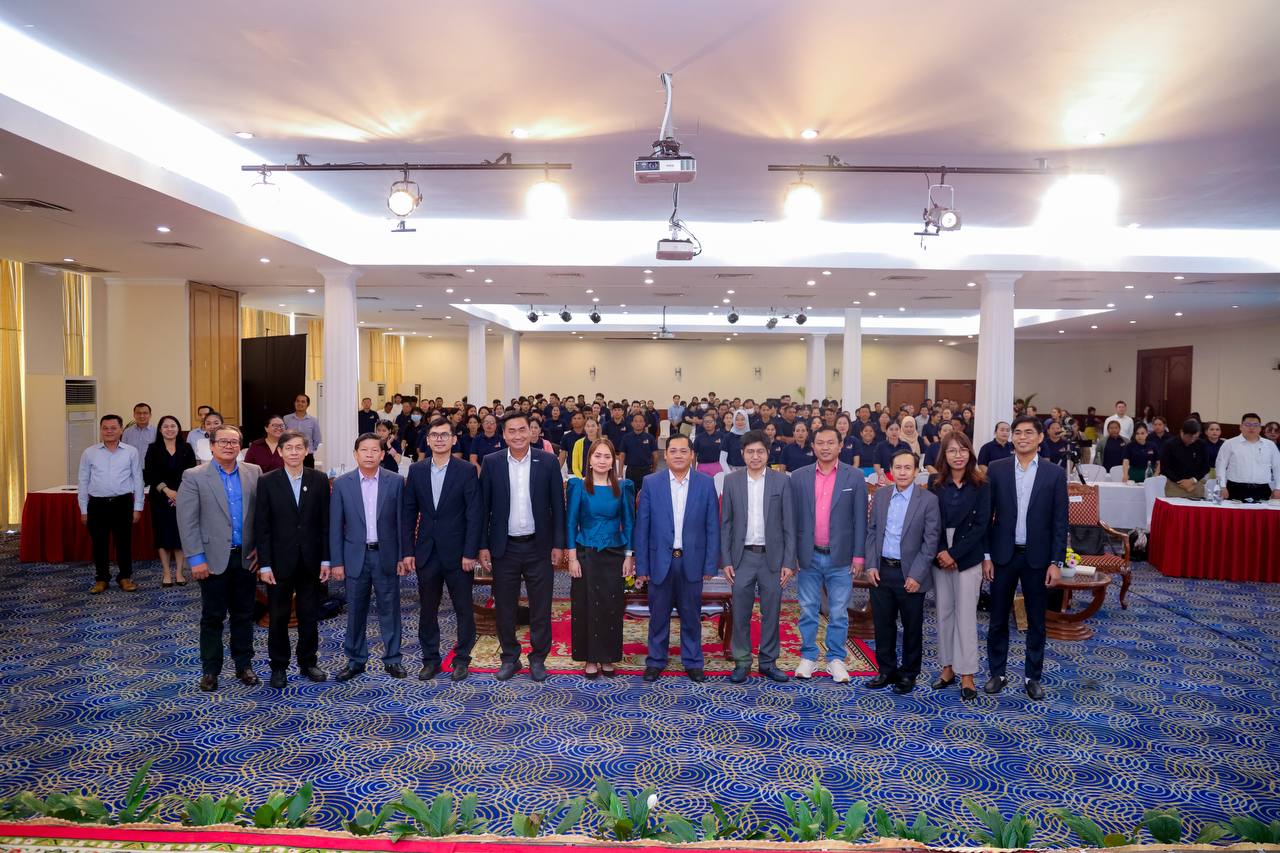
PHNOM PENH: The National Forum on “Social Protection for a Just Transition and Climate Action,” organized by Oxfam in Cambodia and the Cambodian Community for Farmer Associations (CCFC), with the collaboration and participation of the Ministry of Labour and Vocational Training, the Ministry of Economy and Finance, the National Social Protection Council, the Ministry of Social Affairs, the Ministry of Health, and the Ministry of Women’s Affairs, successfully concluded on November 28, 2025. This national forum followed four preceding regional forums held in Kampong Speu, Kratie, Ratanakiri, and Siem Reap provinces, bringing together approximately 250 stakeholders, including community leaders, workers, and policymakers. The forum held in Phnom Penh delved deeply into the challenges and needs of integrating vulnerable groups—such as small-scale farmers and construction workers, including rural women and female workers in the agro-food sector—into an inclusive social protection system to counter the impacts of climate change.
The core message of the forum clearly highlighted the importance of social protection as a solid foundation for building resilience and dignity for the population, especially for workers, farmers, and youth, through risk protection and investment in the future. A notable achievement from the year's work is that the National Social Security Fund (NSSF) plans to study the feasibility of integrating small-scale farmers into the formal social protection system. Furthermore, NSSF will study the possibility of expanding coverage in 2026 to include target groups such as students, monks, farmers, and citizens aged 60 and above. The forum underscored the urgent need to strengthen Cambodia's social protection system, basing it on four key pillars: Transparency, Inclusivity (Bariyabann), Gender Sensitivity, and Climate Resilience, to ensure sustainable and equitable national development. Key recommendations included: 1) Expanding the scope of social protection to cover workers, farmers, and those in the informal economy; 2) Promoting vocational and technical skills training for youth and vulnerable workers, preparing them for a Just Labour Transition; 3) Integrating social protection components into national and sub-national climate change response strategies; and 4) Strengthening the role of women by boosting maternal and child health protection for rural women and female workers in the agro-food sector.
The Concluding the forum, Mr. Theng Savoeun stressed that social protection is a crucial tool for achieving Just Transition, and pledged that the CCFC will continue to actively collaborate with the government and other partners to drive the implementation of these recommendations. It is strongly hoped that the spirit of “Social Protection for a Just Transition and Environmental Action” will remain strong and serve as a powerful catalyst for building a society rich in well-being, sustainability, and resilience.